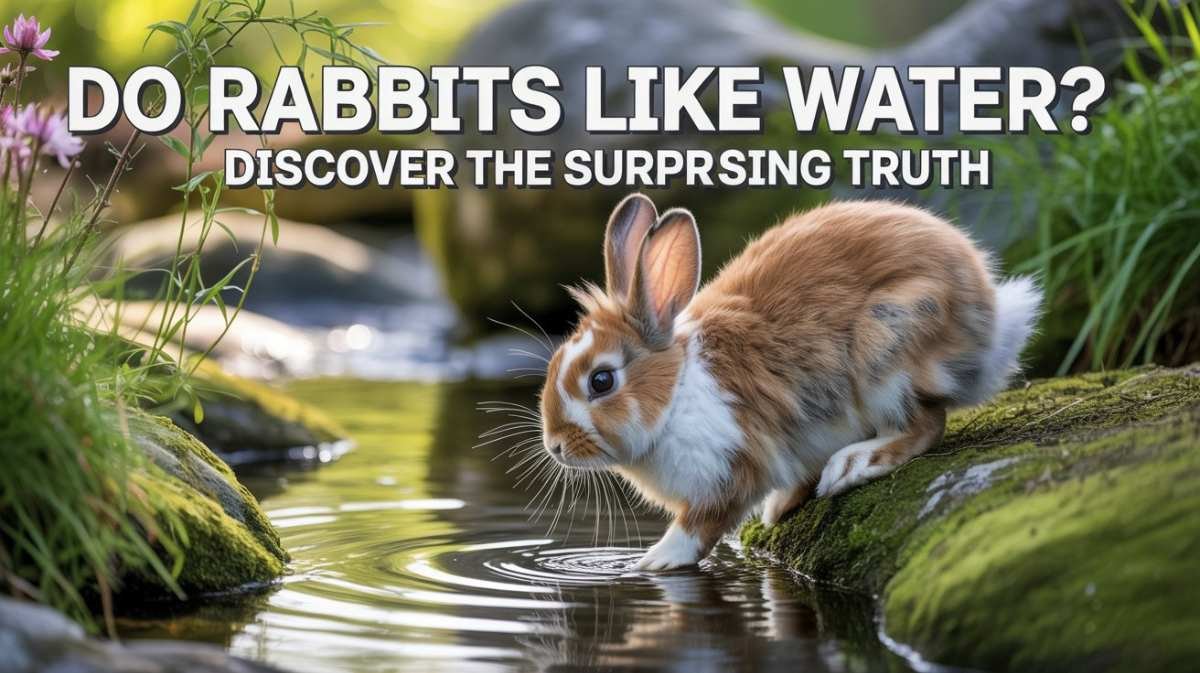
Curiosity often starts when you see a rabbit near anything wet. Do rabbits like water is a question many new pet owners ask with real concern. The answer feels simple, but rabbit behavior makes it more interesting and deeply connected to instinct and survival.
Surprise often comes when you learn that rabbits do not enjoy water like dogs or ducks. They need water for drinking, but they strongly avoid getting wet. This difference confuses many people and leads to myths about bathing and swimming behavior.
Understanding this topic helps you care for rabbits in a safer way. It also prevents mistakes that can stress or harm them. That is where real knowledge becomes important for every rabbit owner.
Natural Behavior of Rabbits Around Water

Excitement fades quickly when you observe wild rabbits in nature. They usually live in dry fields, burrows, and grassy areas. Water is not part of their daily play environment, so they never develop comfort with it.
Fear significantly influences a rabbit’s behavior because they are naturally prey animals and remain highly alert to even small changes in their environment. Water feels unfamiliar and unpredictable to them, which often leads to stress and anxiety rather than curiosity or enjoyment.
Instincts shape everything they do. When they sense moisture or wet conditions, they often try to escape immediately. This natural response explains why they avoid rain, puddles, and baths.
Do Rabbits Like Water or Avoid It?
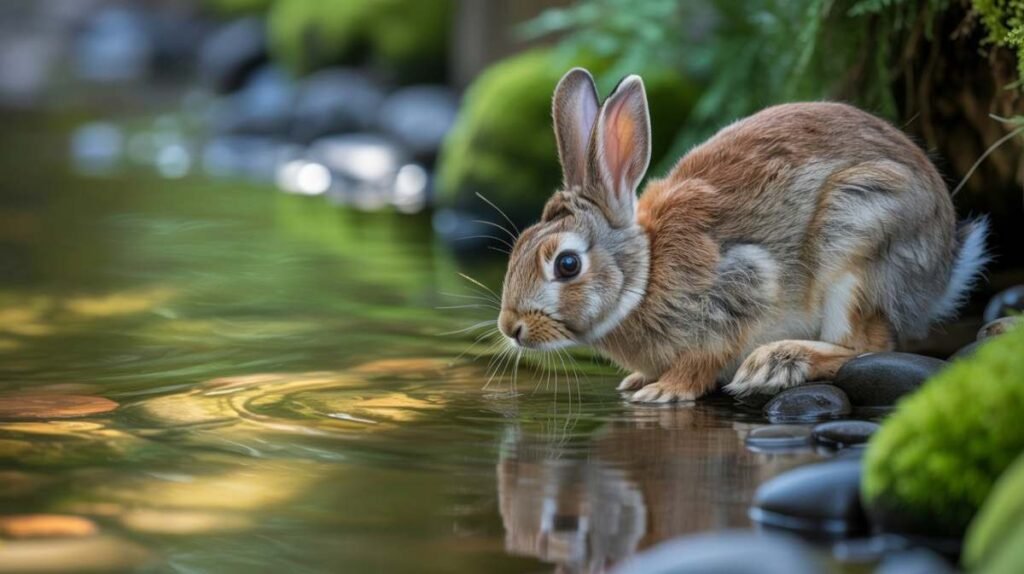
Confusion grows when people mix drinking water with bathing behavior. Do rabbits like water becomes tricky because they need water to survive but dislike being soaked. These are two completely different experiences for them.
Comfort disappears when fur gets wet. A rabbit’s coat is dense and takes a long time to dry. That slow drying process creates discomfort, cold stress, and fear.
Behavior shows the truth clearly. When placed in water, rabbits do not relax. Instead, they panic, freeze, or try to escape. That reaction is not enjoyment but survival instinct.
Can Rabbits Swim in Water?
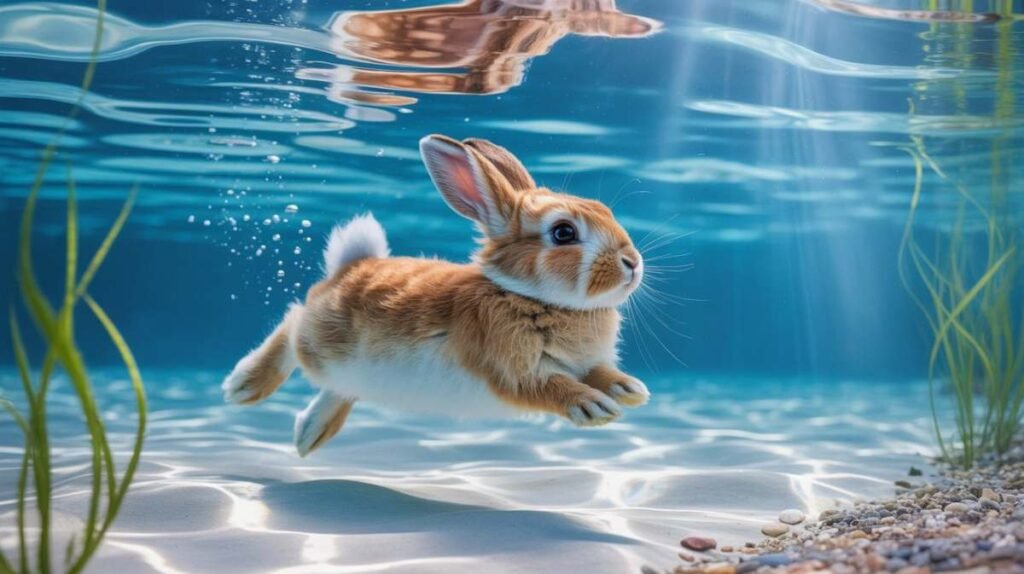
Curiosity increases when people ask if rabbits can swim. Technically, they can move their legs in water for a short time. However, this is not natural swimming ability or safe behavior.
Panic takes over quickly. If a rabbit falls into water, it may paddle instinctively. But exhaustion comes fast, and the situation becomes dangerous very quickly.
Safety becomes the main concern here. Even a small amount of water exposure can create risk. That is why swimming should never be considered normal or safe for rabbits.
Bathing Rabbits: Safe or Risky?
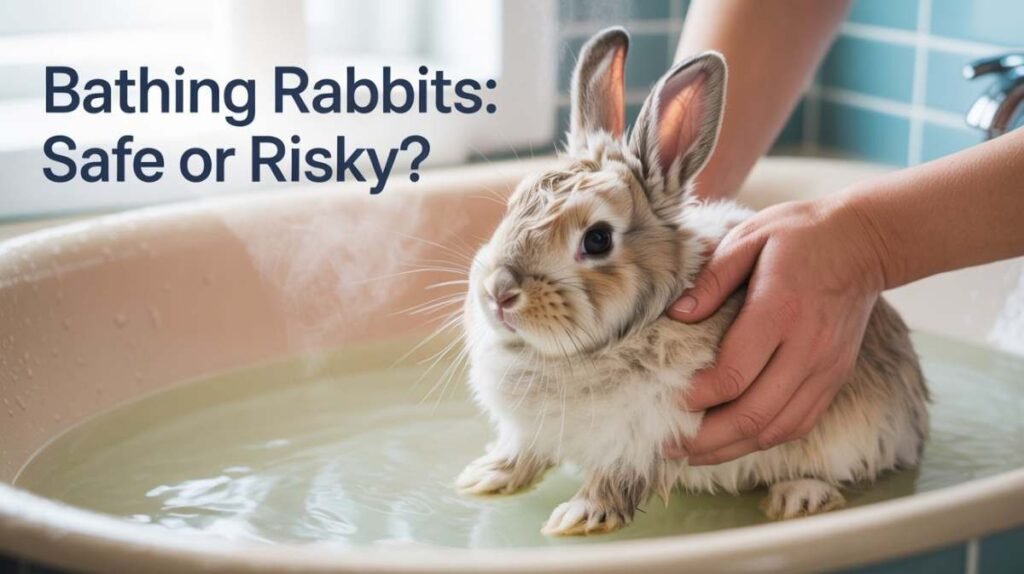
Concern grows when owners think about cleaning their pets with water. Bathing rabbits is often unnecessary and usually unsafe. Their bodies are not designed for full water immersion.
Stress appears immediately during baths. Rabbits become frightened, and their heart rate increases. This emotional shock can lead to serious health complications.
Dry grooming works better. Brushing and spot cleaning remove dirt without exposing them to danger. This keeps hygiene safe while respecting their natural behavior.
Health Risks of Water Exposure
Worry becomes real when we look at health effects. Wet fur can cause body temperature to drop quickly. This leads to cold stress and weakness in rabbits.
Skin problems also develop easily. Damp fur creates a breeding ground for bacteria and irritation. Over time, this can lead to infections or fur damage.
Stress weakens overall health. Rabbits that experience repeated water exposure may lose appetite or become less active. Emotional stress directly affects their physical condition.
Do Rabbits Need Water for Drinking?
Confusion often comes from mixing hydration with bathing. Do rabbits like water is not about drinking but about exposure. Rabbits absolutely need clean drinking water every day.
Hydration supports digestion and body temperature. Without water, rabbits become weak and unhealthy very quickly. This makes fresh water essential for survival.
Dehydration shows clear warning signs. Dry nose, low energy, and reduced eating habits indicate a problem. Drinking water is safe and necessary, while bathing is not.
Safe Ways to Clean a Rabbit
Relief comes when you learn safe cleaning methods. Rabbits do not need full baths to stay clean. Their grooming needs are simple and gentle.
Spot cleaning works best. A soft damp cloth can remove dirt from paws or fur. This avoids stress and keeps the rabbit calm.
Brushing is also important. Regular brushing removes loose fur and keeps their coat healthy. This method respects their natural comfort zone.
Why Rabbits Fear Water
Understanding fear helps explain behavior clearly. Rabbits link water with danger because it removes their sense of safety. Wet conditions make them feel vulnerable.
Fast reactions are common. They may try to escape or freeze in place when exposed to water. This is not stubborn behavior but instinctive survival response.
Emotional stress is real. Rabbits are sensitive animals, and sudden water exposure can scare them deeply. That fear stays in memory for a long time.
Conclusion: Do Rabbits Like Water?
Clarity becomes simple after understanding behavior and instincts. Do rabbits like water is answered by their natural reactions. They need water to drink but strongly avoid getting wet.
Care becomes easier when you respect their nature. Avoid baths, reduce water exposure, and focus on gentle grooming. This keeps them safe and stress-free.
Understanding their limits builds trust. A calm, dry, and safe environment helps rabbits live healthier and happier lives with proper care.
FAQs
1. Do rabbits like water baths?
No, rabbits do not like water baths. Research and vet studies show bathing causes high stress, fear response, and can disrupt their body temperature regulation.
2. Can a bath kill a bunny?
Yes, in severe cases it can. Studies show rabbits can go into shock or hypothermia during improper bathing, which may become life-threatening.
3. Do rabbits like to swim?
No, rabbits are not natural swimmers. Observations show they only paddle due to panic, not comfort, and fatigue happens very quickly.

Mason Grey is a long-time rabbit advocate and bunny behavioral expert. With years of experience in rabbit rescue and care, Mason provides deep insights into diet, habitat setup, and understanding the complex language of bunnies. He believes every rabbit deserves a “hoppy” and healthy life.