
Bringing a bunny into your home is a big life change that goes far beyond just adding a cute face to your living room. If you are searching for the best pet rabbit, you are looking for a long-term friend that can share your life for 8 to 12 years. While many see them as starter pets, the reality is that each breed has its own unique spirit from the loyal nature of a lop to the high-energy spark of a dwarf.
Choosing the right one is about matching a living personality to your daily life. Finding that “perfect match” depends on whether you have a quiet home or a busy family.
Understanding Rabbit Nature: More Than Just Fluff
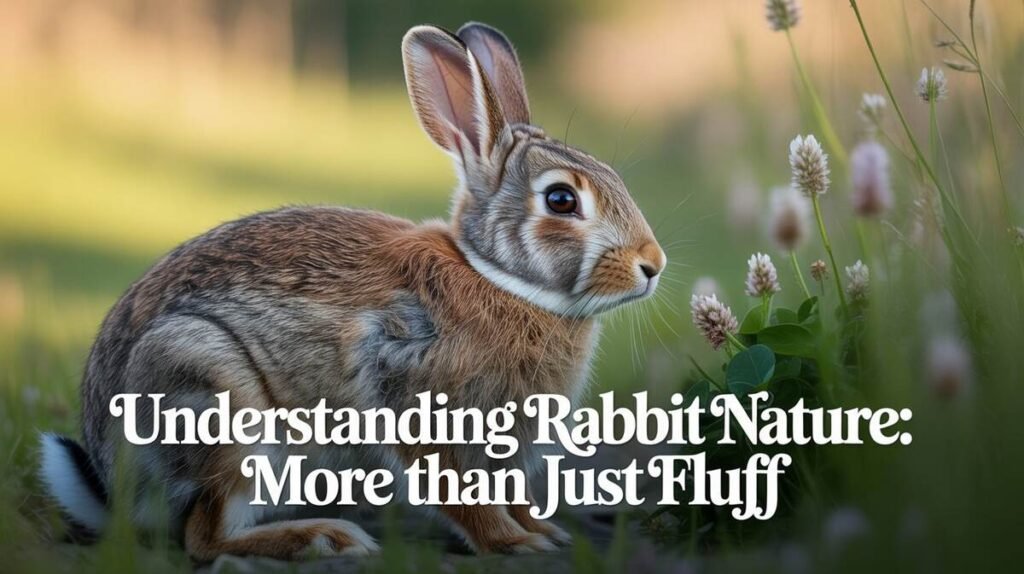
To be a great owner, you must understand how a rabbit thinks. Rabbits are prey animals, which means their natural instinct is to be cautious and alert. Unlike dogs, they don’t give trust immediately; they need to feel safe before they show their true personality.
Most rabbits are crepuscular, meaning they are most active at dawn and dusk. They communicate through body language like a binky (a happy twisting jump) or “purring” (softly grinding their teeth when they are happy). Knowing these small signs helps you build a deep bond with your pet.
Factors to Consider When Choosing Your Rabbit
Before picking a breed, look at these three main points:
- Personality: Some rabbits are brave explorers, while others are shy and prefer to watch from a distance.
- Space Needs: Larger breeds need plenty of room to run to stay healthy, while smaller breeds can work in slightly smaller areas.
- Grooming: Long-haired rabbits look beautiful but need daily brushing to prevent their fur from getting tangled and painful.
Top 5 Best Pet Rabbit Breeds for Beginners
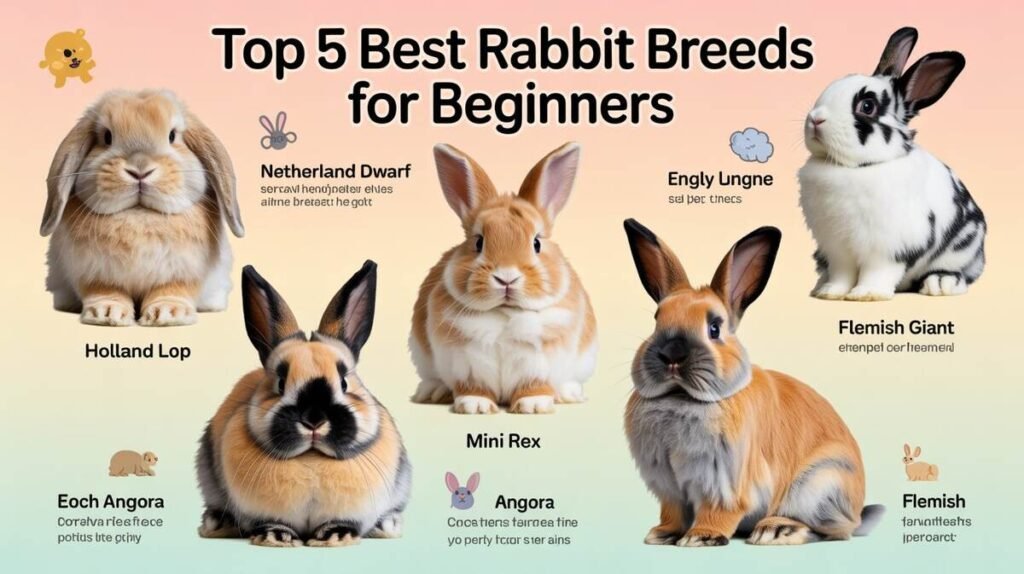
Based on temperament and ease of care, here are the top choices for a new owner:
1. Holland Lop
Famous for their floppy ears, these are very popular for families.
- Unique Nature: They are very social and love being around people. Because they are so social, they can get lonely if left alone for too long.
- Key Care: Their “lop” ears need regular checks to keep them clean and healthy.
2. Dutch Rabbit
Recognized by their “tuxedo” markings, these rabbits are very calm and steady.
- Unique Nature: They are very intelligent and often learn tricks or litter-box training faster than other breeds.
3. Lionhead
These bunnies have a distinct mane of fur and a bold personality.
- Unique Nature: They are very curious and brave. They need lots of toys to keep their minds busy so they don’t get bored.
- Key Care: That fluffy mane needs extra grooming to stay neat.
4. Miniature Lop
These are sturdy, compact bunnies that are great for homes with limited space.
- Unique Nature: While they are strong, they have a fast metabolism and must have a strict diet of high-quality hay to stay well.
5. New Zealand White
They are large, but they are some of the most relaxed rabbits you can find.
- Unique Nature: Because they are big, they don’t get scared as easily as tiny rabbits. This means they are less likely to nip if they are startled, which makes them very safe for new owners.
Quick Comparison Table
| Breed Name | Personality | Size | Best For |
| Holland Lop | Social & Loving | Small | Families |
| Netherland Dwarf | Sassy & Energetic | Very Tiny | Adults |
| Dutch | Gentle & Calm | Medium | Children |
| Lionhead | Brave & Smart | Small | Active Homes |
| New Zealand White | Very Docile | Large | Relaxed Homes |
The 3-3-3 Rule: Bringing Your Bunny Home
To help your rabbit settle in, follow this simple timeline:
- 3 Days: To relax. Let them stay in their area without too much handling so they feel safe. This “decompression” period is vital because sudden changes can cause high stress levels in prey animals.
- 3 Weeks: To learn the routine. They will start to know your voice and the sound of their food. At this stage, you can begin gentle, low-to-the-ground interactions to show them you aren’t a threat.
- 3 Months: To feel fully at home. This is when they will truly bond with you. You’ll notice them following you around or nudging you for attention as they finally view you as part of their “warren” or family unit.
Essential Daily Care
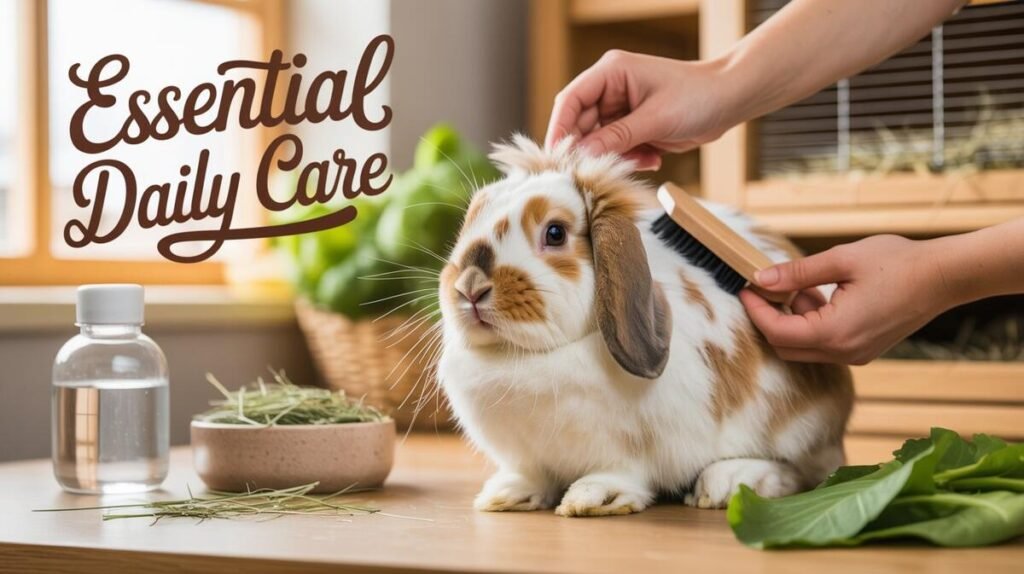
A healthy rabbit needs three main things to thrive every single day:
- Lots of Hay: 80% of their food should be high-quality Timothy Hay to help their digestion. Hay provides the necessary fiber to keep their gut moving and prevents a dangerous condition called GI Stasis.
- Chew Toys: Their teeth never stop growing, so give them Apple Wood Sticks or Willow Balls to chew on. Constant chewing keeps their teeth worn down to a safe length and provides much-needed mental stimulation.
- Safe Bedding: Use Natural Paper Bedding to keep their home dry and safe for their lungs. Avoid cedar or pine shavings, as the phenols in these woods can lead to respiratory issues or liver damage in sensitive rabbits.
Final Thoughts on Your New Companion
Finding the best pet rabbit is a journey that rewards you with years of quiet affection and playful antics. Whether you choose the brave Lionhead or the gentle Dutch, your commitment to their health and emotional well-being is what will make the relationship successful. Remember that every rabbit is an individual; patience during the first few months is the key to unlocking a lifetime of love.
FAQs
Which breed is generally considered the top choice for a first-time rabbit owner?
For beginners, the Holland Lop and Dutch varieties are widely regarded as the most suitable options due to their predictable, gentle personalities and manageable physical sizes.
Can you explain the 3-3-3 rule for a new pet rabbit?
This guideline outlines the standard adjustment phases: it takes three days for a bunny to decompress and feel secure, three weeks to adapt to your home’s daily schedule, and roughly three months to establish a deep, permanent emotional bond with you.
Which rabbit varieties are known for having the most social personalities?
If you are seeking an affectionate companion, the Holland Lop, Lionhead, and Dutch breeds are most frequently recognized for being highly social and warm toward their owners.
What are the most recommended breeds for those new to bunny care?
The five breeds most often suggested for first-time keepers include the Holland Lop, the Dutch, the Lionhead, the Miniature Lop, and the New Zealand White.

Mason Grey is a long-time rabbit advocate and bunny behavioral expert. With years of experience in rabbit rescue and care, Mason provides deep insights into diet, habitat setup, and understanding the complex language of bunnies. He believes every rabbit deserves a “hoppy” and healthy life.