
If you have a pet rabbit, it is completely normal to wonder whether certain vegetables are safe before adding them to their diet. Spinach is one of the foods many rabbit owners ask about because it looks healthy and full of nutrients. The good news is that rabbits can eat spinach, but only in small amounts and not every single day.
Spinach contains vitamins, minerals, and fiber that may support a rabbit’s overall diet when offered properly. However, feeding too much spinach too often may cause problems because it contains compounds called oxalates. This is why moderation matters when offering leafy greens to rabbits.
For most healthy adult rabbits, spinach works best as an occasional treat mixed with other fresh vegetables instead of being the main part of their daily meals.
Is Spinach Safe for Rabbits?
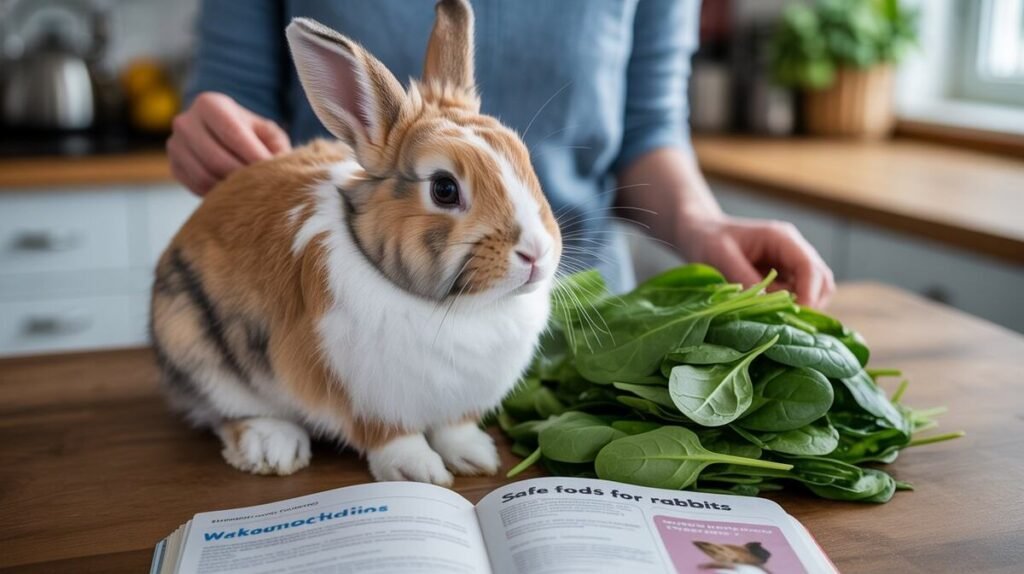
Yes, spinach is generally safe for rabbits when served in moderate portions. Many rabbit owners occasionally include small spinach leaves alongside other fresh greens to add variety to their pet’s diet.
The biggest concern with feeding rabbits too much spinach is its oxalic acid content. While spinach is not considered toxic, large amounts eaten regularly may increase the risk of bladder or kidney problems over time. Because of this, spinach is usually best offered occasionally as part of a varied mix of leafy greens rather than being fed every day on its own.
A balanced rabbit diet should still focus mainly on hay, clean water, and moderate portions of rabbit-safe vegetables.
Benefits of Spinach for Rabbits
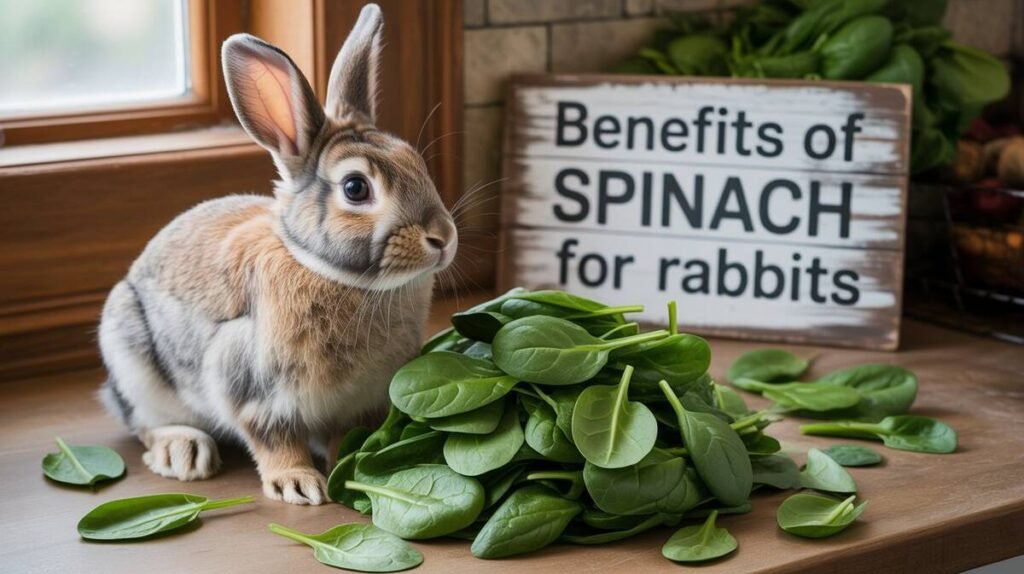
When fed correctly, spinach can provide some nutritional benefits for rabbits.
Contains Important Vitamins
Spinach naturally contains vitamins such as vitamin A and vitamin C, which support overall health and normal body functions.
Adds Variety to the Diet
Rabbits usually enjoy having different textures and flavors in their meals. Small portions of spinach can make their vegetable mix more interesting.
Provides Fiber
Leafy greens contain fiber that supports healthy digestion when combined with hay and fresh water.
Helps With Hydration
Fresh vegetables like spinach also contain water, which may help support hydration alongside daily water intake.
Risks of Feeding Too Much Spinach
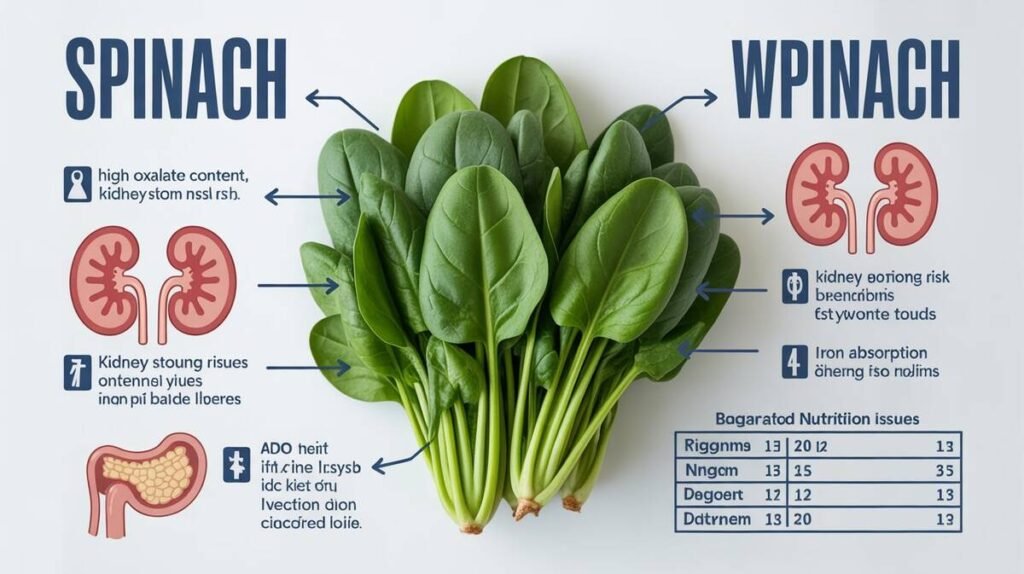
Even healthy vegetables can become a problem when overfed, and spinach is a good example of that.
Spinach contains oxalates, which may contribute to bladder sludge or kidney problems if rabbits consume large quantities regularly. Some rabbits may also develop mild digestive discomfort if new foods are introduced too quickly.
Another common mistake is feeding spinach every day without rotating other leafy greens. Rabbits usually benefit more from variety instead of relying heavily on one vegetable.
If you notice diarrhea, bloating, loss of appetite, or unusual behavior after introducing spinach, it is best to stop feeding it and monitor your rabbit carefully.
How Much Spinach Can Rabbits Eat?

Small portions are usually the safest option. A few spinach leaves once or twice a week is often enough for most adult rabbits.
Instead of feeding a large bowl of spinach alone, many rabbit owners mix it with safer low-oxalate greens such as:
- Romaine lettuce
- Cilantro
- Basil
- Bok choy
- Mint
- Parsley
Rotating vegetables helps create a more balanced diet and reduces the chances of overfeeding certain nutrients.
Can Baby Rabbits Eat Spinach?
Baby rabbits have sensitive digestive systems, so introducing spinach too early is usually not recommended.
Young rabbits mainly need hay and carefully managed feeding routines while their digestion develops properly. New vegetables should always be introduced slowly and one at a time after they are old enough.
If you are unsure about feeding spinach to a baby rabbit, speaking with a rabbit-savvy veterinarian is usually the safest option.
Why Rabbit Owners Should Be Careful With Spinach
Many people assume that if a vegetable is healthy for humans, it must automatically be safe for rabbits too. While spinach does contain useful nutrients, rabbits have very sensitive digestive systems, which means even healthy foods need to be given carefully and in the right amounts.
One reason rabbit owners should avoid overfeeding spinach is because of naturally occurring oxalates. These compounds may build up over time when rabbits eat large portions regularly, especially if spinach becomes a daily part of their meals. This is why most experienced rabbit owners and veterinarians recommend rotating leafy greens instead of feeding only one type continuously.
Another important thing to remember is that every rabbit reacts differently to new foods. Some rabbits handle spinach without any issues, while others may develop soft stools or mild digestive discomfort if too much is introduced too quickly. Offering small portions first and watching your rabbit’s behavior can help you understand what works best for their diet and digestion.
The Best Way to Introduce Spinach Into a Rabbit’s Diet
If your rabbit has never eaten spinach before, the safest approach is to introduce it slowly rather than adding a large amount immediately. Start with one or two small leaves mixed with familiar greens your rabbit already eats comfortably. This allows you to monitor for any digestive changes without overwhelming their stomach.
Fresh spinach is usually the safest option for rabbits, which is why proper cleaning and storage are important. Before serving spinach, wash the leaves carefully to help remove dirt, pesticides, or leftover chemicals from the surface. Rabbits also tend to have sensitive digestive systems, so old, wilted, or spoiled spinach should be avoided because it may upset their stomach or cause discomfort.
Many rabbit owners find that combining spinach with lower-oxalate greens creates a healthier balance overall. Instead of serving a full bowl of spinach alone, mixing small amounts with romaine lettuce, cilantro, parsley, or basil often works better for long-term feeding routines.
Best Leafy Greens for Rabbits
Spinach is only one of many greens rabbits can enjoy occasionally. Some commonly recommended leafy vegetables include:
- Romaine lettuce
- Cilantro
- Parsley
- Dill
- Basil
- Mint
- Bok choy
- Dandelion greens
Offering a mix of different rabbit-safe greens often works better than depending on a single vegetable daily.
Vegetables Rabbits Should Avoid
Some vegetables are not suitable for rabbits and may cause digestive problems or other health concerns.
These foods are generally avoided:
- Onions
- Garlic
- Potatoes
- Iceberg lettuce
- Rhubarb
Always research new foods carefully before adding them to your rabbit’s diet.
Final Thoughts
Spinach can be a healthy occasional addition to a rabbit’s diet when fed carefully and in moderation. While it does offer vitamins, fiber, and variety, it should not replace hay or become the main leafy green served every day.
The safest approach is usually to offer spinach in small amounts alongside other rabbit-safe vegetables while paying attention to how your rabbit reacts. Keeping meals balanced and introducing foods slowly can help support a healthier and happier rabbit over time.
Frequently Asked Questions
Can rabbits eat spinach every day?
It is usually better not to feed spinach daily because of its oxalate content. Occasional small servings are generally safer.
Is spinach toxic to rabbits?
No, spinach is not considered toxic for rabbits when fed in moderation.
Can baby rabbits eat spinach?
Baby rabbits should avoid spinach until their digestive systems mature and new foods can be introduced slowly.
What leafy greens are best for rabbits?
Romaine lettuce, cilantro, parsley, basil, and bok choy are commonly used in balanced rabbit diets.
How often should rabbits eat spinach?
Most rabbits can safely enjoy small portions once or twice a week as part of a varied vegetable routine.

Mason Grey is a long-time rabbit advocate and bunny behavioral expert. With years of experience in rabbit rescue and care, Mason provides deep insights into diet, habitat setup, and understanding the complex language of bunnies. He believes every rabbit deserves a “hoppy” and healthy life.