An occasional sneeze usually isn’t anything to worry about. Rabbits sneeze sometimes just like people do, often from a bit of dust or hay fiber tickling their nose. Frequent or repeated sneezing is a different story, though, and it’s worth understanding what might actually be causing it before assuming the worst.
This guide walks through the harmless reasons a rabbit sneezes, the more serious causes worth watching for, and how to tell which one you’re actually dealing with.
Is Occasional Sneezing Normal in Rabbits?
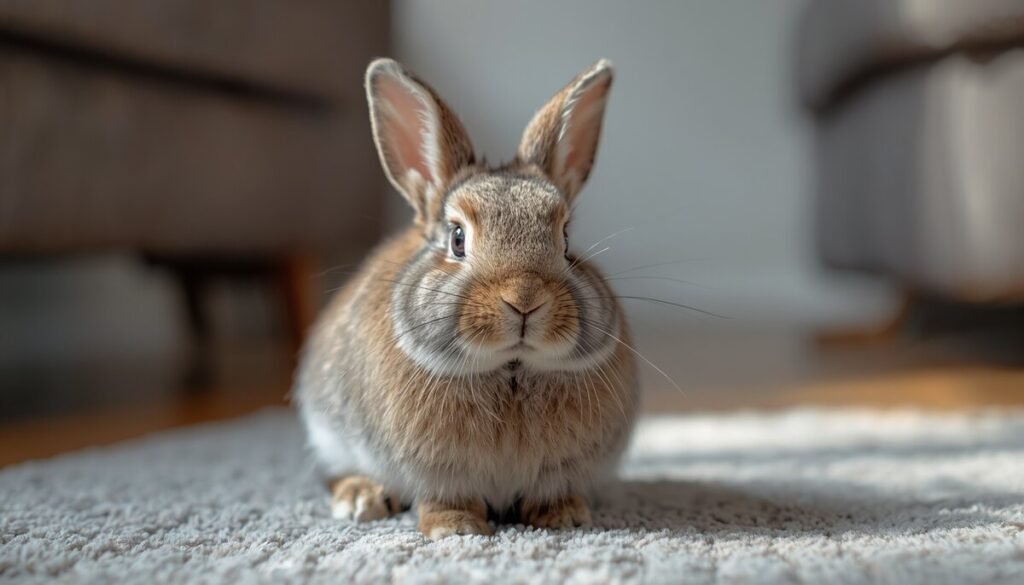
Yes, a single sneeze here and there is completely normal. Rabbits have sensitive noses, and something as simple as a bit of dust kicked up from hay or bedding can trigger a quick sneeze, the same way a person might sneeze from a dusty room.
What matters more than the sneeze itself is the pattern around it. A rabbit that sneezes once and goes right back to eating, grooming, and acting normal usually isn’t dealing with anything serious. Repeated sneezing over several hours or days, especially alongside other symptoms, is what actually warrants closer attention.
Harmless vs Serious Causes at a Glance
Before going deeper into each cause, here’s a quick comparison to help you get a sense of what you might be dealing with.
Why Is My Rabbit Not Eating? Causes, Warning Signs & What to Do
| Cause | Typical Signs | Usually Needs a Vet? |
|---|---|---|
| Dust or hay fiber | One-off sneeze, no other symptoms | No |
| Strong scents or candles | Sneezing near specific products, stops once removed | No |
| Seasonal allergens | Occasional sneezing, mild, comes and goes | Usually not |
| Snuffles (Pasteurella) | Frequent sneezing, runny or crusty nose, matted paws | Yes |
| Dental problems | Sneezing with reduced appetite or drooling | Yes |
| Respiratory infection | Sneezing, labored breathing, lethargy | Yes, promptly |
Common Harmless Causes of Sneezing
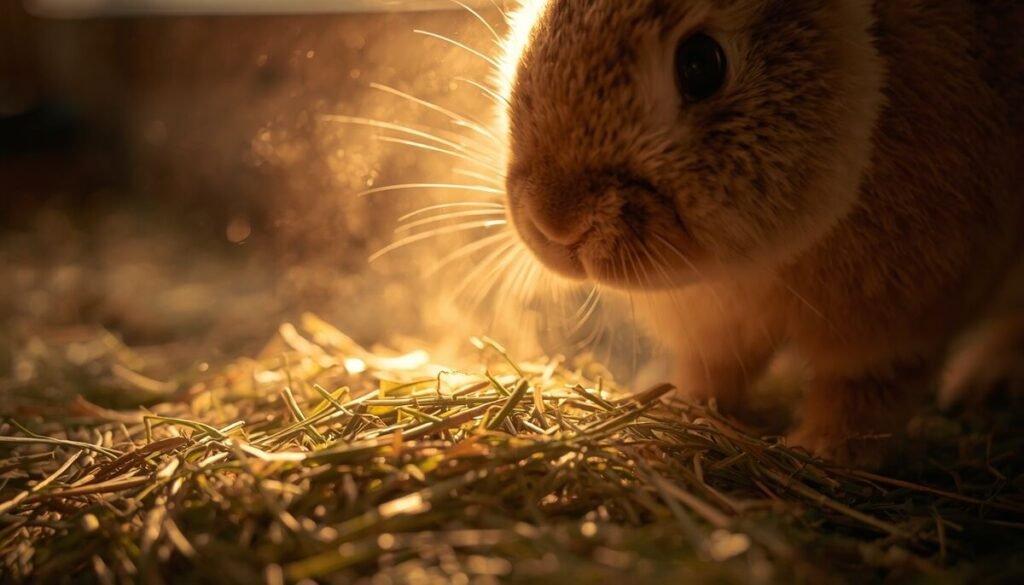
Dust from hay, bedding, or litter is one of the most frequent culprits, especially with lower quality hay that tends to be dustier than fresh, high grade options. Strong scents can trigger sneezing too. Scented candles, air fresheners, cleaning sprays, and even strong perfume can irritate a rabbit’s sensitive respiratory system.
Seasonal allergens like pollen can also cause occasional sneezing, particularly if your rabbit spends time near an open window or outdoors. In most of these cases, sneezing clears up on its own once the irritant is removed or reduced.
Snuffles (Pasteurella): The Most Common Serious Cause
If sneezing becomes frequent or is paired with other symptoms, a bacterial infection commonly known as snuffles is one of the most likely explanations. Snuffles is caused by a bacterium called Pasteurella multocida, and it’s one of the most well documented respiratory conditions in pet rabbits.
This infection typically causes persistent sneezing, a runny or crusty nose, and sometimes matted fur on the front paws from a rabbit wiping at its face repeatedly. In more advanced cases, it can spread beyond the nose to the eyes, ears, or even deeper into the respiratory tract.
What makes Pasteurella tricky is that some rabbits carry the bacteria without showing any symptoms at all. It can flare up later during periods of stress, a weakened immune system, or after exposure to another sick rabbit. Because it’s a bacterial infection, snuffles generally needs veterinary treatment, often antibiotics, rather than resolving on its own the way a dust-related sneeze would.
Dental Problems That Can Cause Sneezing
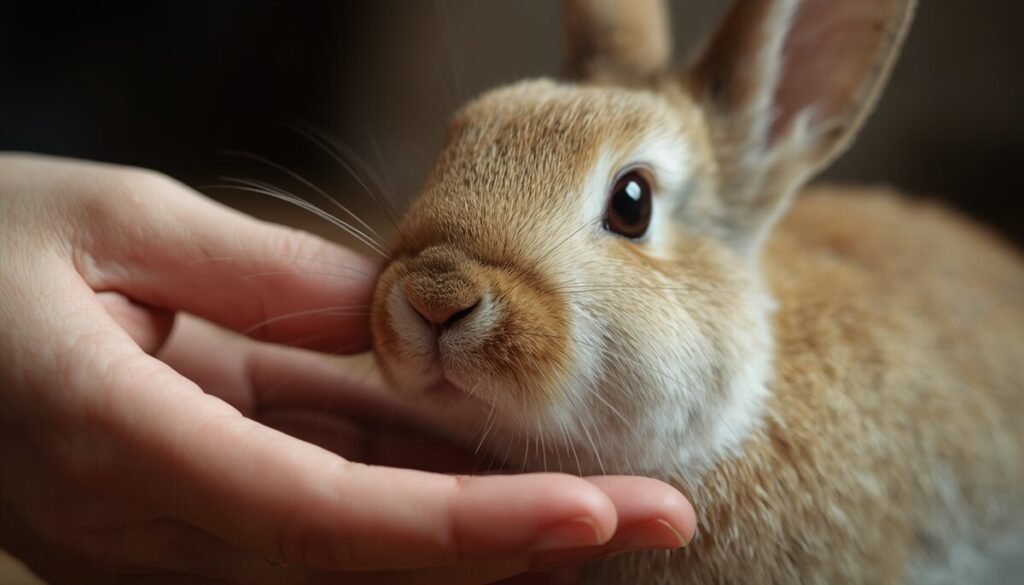
It sounds unrelated at first, but a rabbit’s teeth sit surprisingly close to its nasal passages, and dental issues can absolutely cause sneezing as a result. Overgrown teeth or a dental abscess can put pressure on the sinuses, leading to irritation that shows up as sneezing rather than an obvious mouth problem.
This connection is easy to miss since most owners associate sneezing purely with a respiratory issue. If your rabbit is sneezing along with reduced appetite, drooling, or any noticeable change in how they’re eating hay, a dental check from your vet is worth ruling out alongside a straightforward respiratory cause.
Could Stress Be Making It Worse?
Stress doesn’t cause sneezing directly, but it plays a bigger supporting role than most owners realize. A rabbit under stress, from a new pet in the house, a recent move, or even a loud environment, often has a weaker immune response, which makes it easier for a dormant infection like Pasteurella to flare up.
If your rabbit’s sneezing started around the same time as a change in their routine or environment, it’s worth considering whether stress could be a contributing factor. Reducing stress won’t cure an underlying infection, but it can make a real difference in how well your rabbit’s immune system handles it.
Other Signs to Watch Alongside Sneezing
Sneezing on its own rarely tells the full story, so it helps to pay attention to what else is going on. Watery or crusty discharge from the eyes or nose, labored or noisy breathing, and a noticeable drop in energy or appetite are all signs that point toward something more serious than simple dust irritation.
Matted fur on the inside of the front paws is another clue worth checking for, since rabbits with a runny nose often wipe at their face with their paws repeatedly. If you notice any combination of these alongside the sneezing, it’s a stronger signal that a vet visit is the right next step rather than waiting to see if it clears up.
When to Take Your Rabbit to the Vet
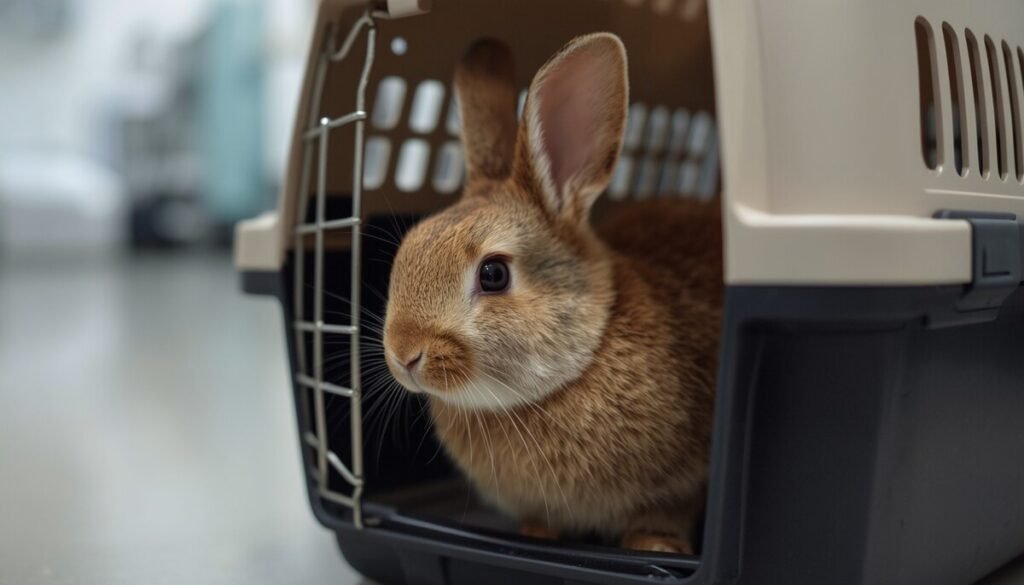
A single, isolated sneeze rarely needs a vet visit. But if sneezing continues for more than a day or two, happens frequently throughout the day, or comes with nasal discharge, watery eyes, lethargy, or reduced appetite, it’s time to get your rabbit checked out.
Respiratory infections in rabbits can progress quickly if left untreated, so earlier treatment generally leads to a smoother recovery than waiting until symptoms become severe. If you’re ever unsure whether what you’re seeing is mild or serious, a quick call to your vet for guidance is always a reasonable step, even if it turns out to be nothing.
How to Prevent Sneezing in Rabbits
Choosing dust-free, high quality hay and bedding goes a long way toward reducing irritant-based sneezing. Keeping your rabbit’s living area well ventilated, and avoiding scented cleaning products, candles, or air fresheners nearby, also helps minimize unnecessary respiratory irritation.
Routine dental checkups matter more than people expect here too, since catching dental issues early can prevent the kind of sinus pressure that leads to sneezing down the line. Since stress can make a rabbit more susceptible to flare-ups of dormant infections like Pasteurella, a calm, consistent environment plays a bigger preventive role than it might seem.
Is it normal for rabbits to sneeze once in a while?
Yes, occasional sneezing from dust or minor irritants is completely normal, especially if your rabbit goes right back to its usual behavior afterward.
What does it mean if my rabbit sneezes and has a runny nose?
This combination often points to snuffles, a bacterial infection caused by Pasteurella multocida. It’s worth having a vet examine your rabbit, since this type of infection typically requires treatment rather than resolving on its own.
Can allergies cause sneezing in rabbits?
Yes, dust, pollen, and strong scents from candles or cleaning products can all trigger sneezing in sensitive rabbits, similar to how allergies affect people.
Can a rabbit’s teeth cause sneezing?
Yes, overgrown teeth or a dental abscess can put pressure on the sinus area since a rabbit’s teeth sit close to its nasal passages, sometimes leading to sneezing as an indirect symptom.
Final Takeaway
A little occasional sneezing usually isn’t a big deal, but frequent or persistent sneezing deserves a closer look. Paying attention to what else is going on with your rabbit, and getting a vet involved when something feels off, is the safest way to catch a real problem early.

Mason Grey is a long-time rabbit advocate and bunny behavioral expert. With years of experience in rabbit rescue and care, Mason provides deep insights into diet, habitat setup, and understanding the complex language of bunnies. He believes every rabbit deserves a “hoppy” and healthy life.