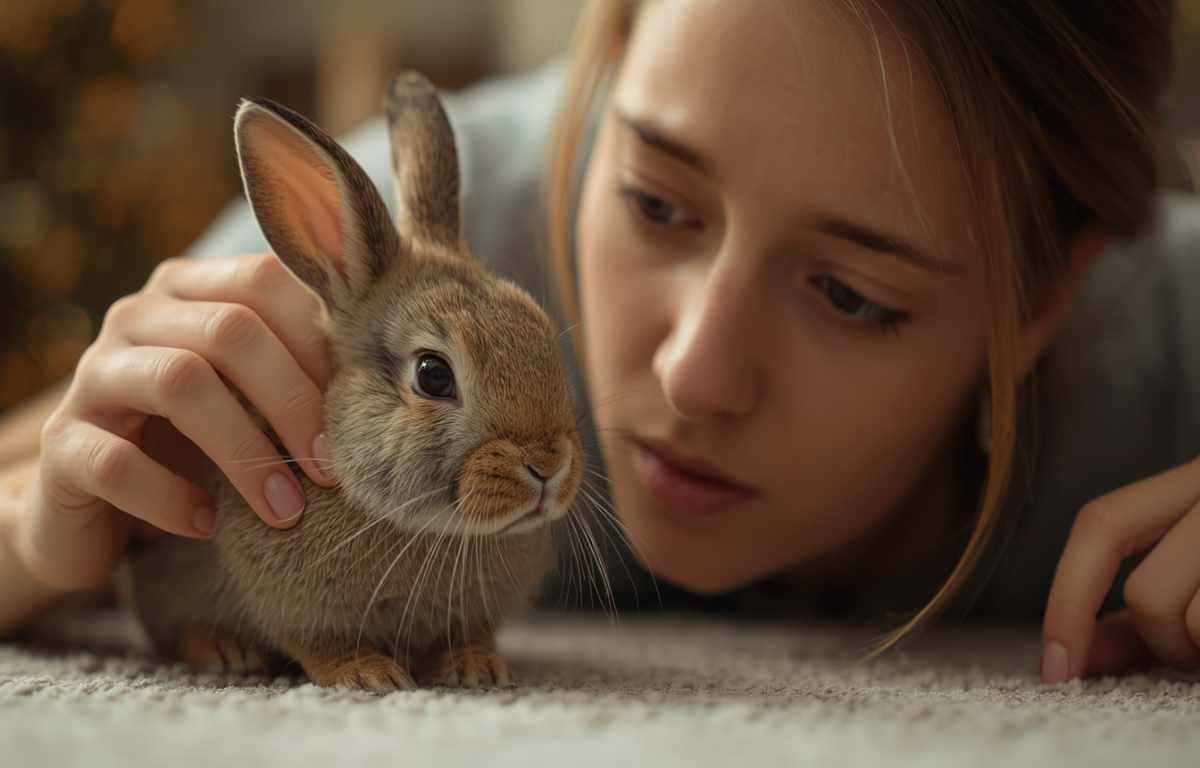
Searching for this because your rabbit hasn’t eaten in a while? Here’s the short version: don’t think in days. Think in hours. A rabbit that goes 12 hours without food is already in risky territory. By 24 hours this is a genuine emergency that needs a vet, not a wait-and-see approach.
That might feel alarming, especially if you’ve seen other articles mention rabbits surviving 3 to 4 days without food. That number isn’t technically wrong. But it’s dangerously misleading, and the gap between those two ideas is what this article is really about.
The Real Answer: Hours Matter More Than Days

Rabbits are unlike most pets in one critical way. Their digestive system is built to stay in constant motion, with food moving through it almost nonstop throughout the day. When that motion stops, even briefly, the whole system can start shutting down fast.
This is why survival time and safe time are two completely different numbers for a rabbit. Some rabbits can technically survive 3 to 4 days without eating. But surviving isn’t the same as being okay. Plenty of rabbits that go that long develop complications severe enough that they never fully recover, even once food is available again. The window where you can actually step in and prevent lasting damage is much narrower than that. It’s closer to 12 hours.
What Happens Inside a Rabbit’s Body When It Stops Eating
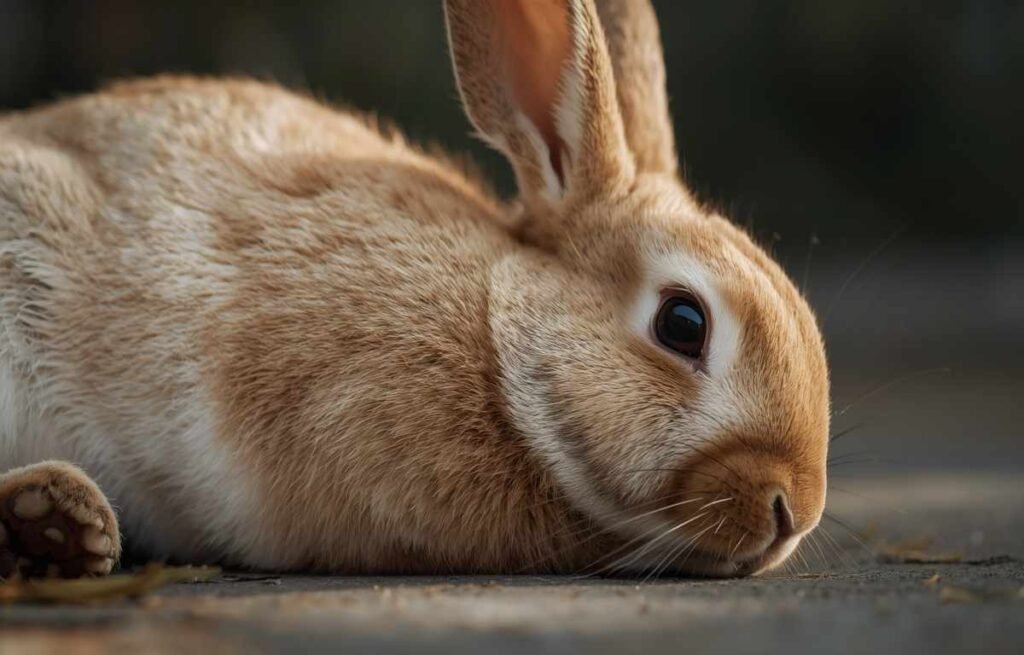
The core issue is a condition called GI stasis. This is when the digestive tract slows down or stops moving entirely. Veterinary research describes GI stasis as one of the most common and serious conditions seen in pet rabbits, and left untreated it can turn life-threatening in as little as 24 hours.
Here’s what makes it especially dangerous. Not eating doesn’t just cause GI stasis, it also makes it worse. Once a rabbit stops eating, the empty digestive tract slows down further, and that in turn makes the rabbit even less interested in food. It becomes a loop that’s harder to break the longer it runs. Early action matters more than waiting to see if things improve.
How Long Can a Rabbit Go Without Water?
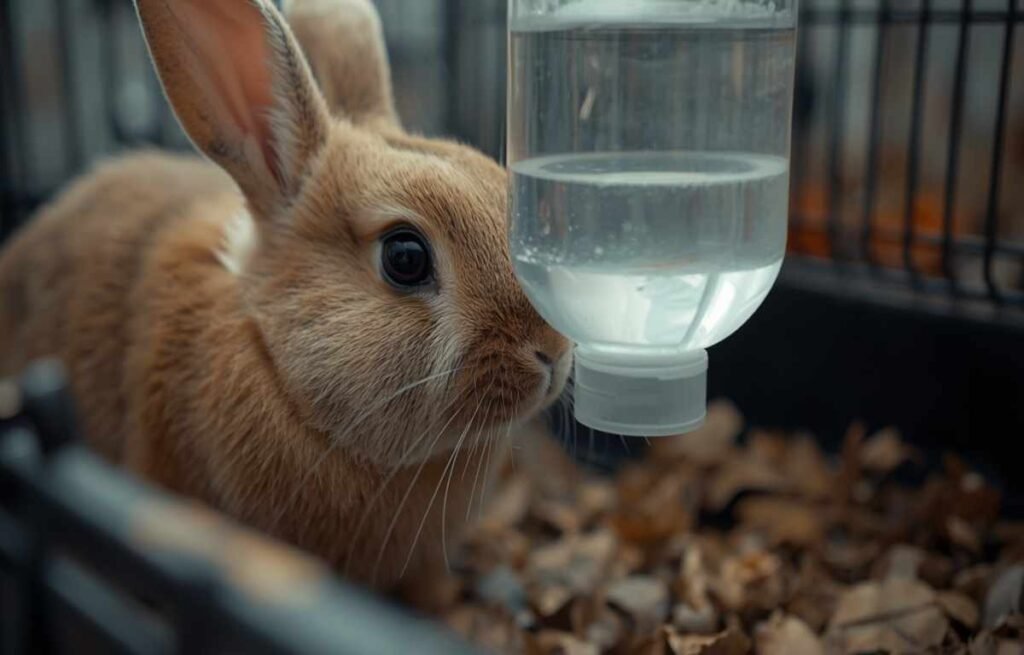
Water is even less forgiving than food. Dehydration can begin within 6 to 12 hours of reduced water intake, and dehydration makes GI stasis worse since the digestive tract needs adequate fluid to keep moving at all.
Not eating combined with uncertain water intake pushes the situation into more urgent territory. A rabbit without both food and water for even half a day is in a far more serious spot than one that’s still drinking but off its food.
Baby Rabbits vs Adult Rabbits
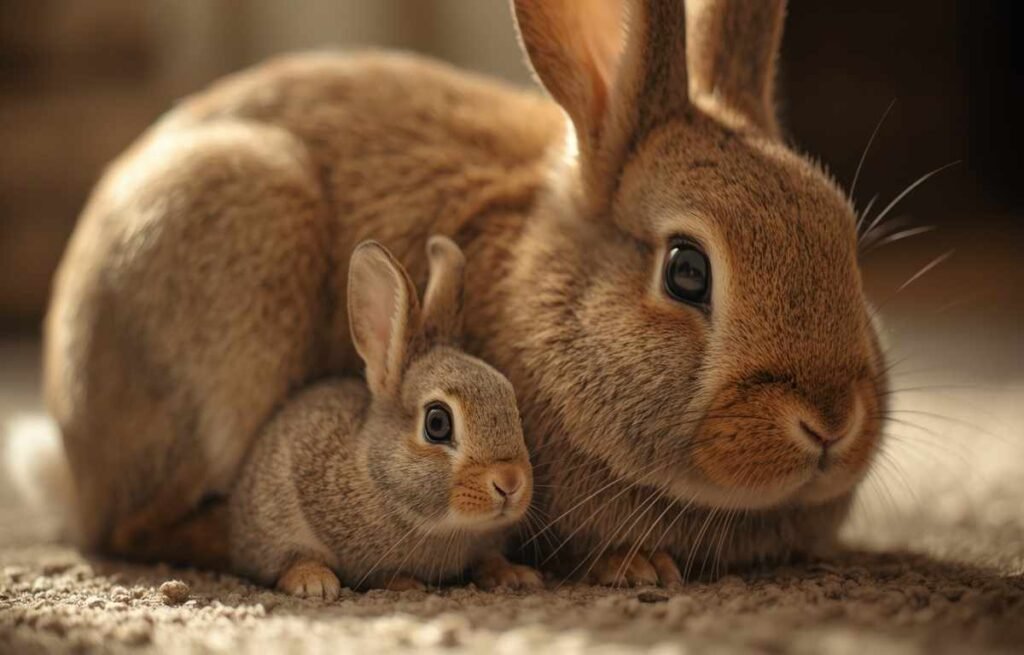
Young, unweaned rabbits are even more vulnerable than adults. A baby rabbit that goes more than 24 hours without eating can weaken dangerously fast, simply because it has far smaller energy reserves to draw from in the first place.
Caring for a baby rabbit that isn’t nursing or eating? The window to get help is shorter than everything described above for adults. This isn’t something to monitor overnight and check again in the morning.
Why Rabbits Hide Signs of Not Eating
Rabbits are prey animals, and that instinct runs deep even in a safe home. In the wild, showing weakness makes an animal a target. So rabbits evolved to mask illness and discomfort for as long as they physically can.
That means by the time a lack of appetite becomes obvious to you, the underlying problem has usually been building longer than it looks. A rabbit that seems otherwise fine except for skipped meals still deserves quick attention, not a casual wait-and-see approach.
What to Do If Your Rabbit Isn’t Eating
Check a few things right away. Is your rabbit still drinking normally? Are they producing droppings, and are those droppings smaller or less frequent than usual? Does their posture look normal, or are they hunched in a way that suggests pain?
Offer hay and a favorite treat to see if anything tempts them. Don’t force-feed without guidance from a vet first, since the wrong approach can sometimes make things worse depending on the cause. If you haven’t already, our beginner’s guide to rabbit care covers the basics of a hay-heavy diet that helps prevent this kind of issue in the first place.
Call your vet the same day you notice the change. Not after waiting to see if it resolves on its own. Rabbit-savvy vets know how fast this can escalate, and early treatment genuinely changes outcomes.
When This Is a Genuine Emergency
This stops being a wait-and-monitor situation once your rabbit has gone 12 hours or more without eating. Same goes if they’ve stopped producing droppings entirely, seem hunched or are grinding their teeth in a way that suggests pain, or are refusing water too.
These aren’t symptoms to track for a day or two before acting. A same-day or emergency vet visit is the right call here, even if it turns out to be something minor. The risk of waiting outweighs the inconvenience of an unnecessary trip, every time.
FAQs
Can a rabbit survive 3 to 4 days without food?
Some technically can, but survival isn’t the same as being safe. GI stasis and its complications can cause lasting harm well before that point, often within the first 24 hours. That number shouldn’t be treated as a safe timeline to wait out.
How quickly can GI stasis become fatal?
Veterinary sources note that untreated GI stasis can turn life-threatening in as little as 24 hours. That’s part of why a rabbit that stops eating needs attention the same day, not after a few days of waiting.
What’s the first sign that a rabbit has stopped eating?
Often, it’s a drop in droppings before the lack of appetite even becomes obvious. Rabbits are skilled at hiding illness, so smaller or fewer droppings paired with less interest in hay tend to show up first.
Should I force-feed my rabbit if it won’t eat?
Not without talking to a vet first. The right approach depends on what’s actually causing the loss of appetite, and the wrong method can make things worse. A vet can advise on safe supportive feeding if it’s needed.
Is it normal for a rabbit to skip one meal occasionally?
Not really. Rabbits are expected to eat steadily throughout the day, so a noticeable drop in appetite, even for a few hours, is worth watching closely rather than brushing off as normal.
Disclaimer: This article is for general information only and isn’t a substitute for veterinary advice. If your rabbit has stopped eating, please contact a vet, ideally one experienced with rabbits or exotic pets, rather than relying solely on what you read here.

Mason Grey is a long-time rabbit advocate and bunny behavioral expert. With years of experience in rabbit rescue and care, Mason provides deep insights into diet, habitat setup, and understanding the complex language of bunnies. He believes every rabbit deserves a “hoppy” and healthy life.