Taking care of a baby rabbit can feel confusing, especially when you are not sure what it should eat, how often it needs food, or whether it is old enough to live without its mother. Baby rabbits have different needs at different stages, so feeding the right food at the right time matters.
The good news is that you don’t need a complicated menu. The basics are simple: understand the rabbit’s age, provide appropriate nutrition, make changes slowly, and pay close attention to eating and bathroom habits.
If you have found a baby rabbit outdoors, there is one extra step: make sure it actually needs help before taking it away from its nest. A young wild rabbit sitting alone does not always mean it has been abandoned.
Understanding Baby Rabbit Care by Age
A rabbit’s age can tell you a lot about what it should be eating. A newborn kit that still depends on its mother should not be treated like a young rabbit that is already eating hay.
Newborn Baby Rabbits
Newborn rabbits are tiny, hairless, and completely dependent on their mother. Their primary nutrition comes from nursing.
If the mother is present and caring for the babies, letting them remain with her is usually the best option. Trying to replace mother’s milk without a real need can create unnecessary risks.
Keep the nesting area warm, quiet, dry, and away from other pets.
Baby Rabbits Starting to Explore Food
As kits grow, they become more active and begin exploring their surroundings. They may start nibbling hay and investigating their mother’s food.
This does not mean they are ready for a completely different diet overnight. Solid foods should become part of their routine gradually.
Weaning Baby Rabbits
The weaning period is one of the most important stages in baby rabbit care.
During this time, a young rabbit moves from depending heavily on milk toward eating hay and other appropriate solid foods. Sudden dietary changes can upset the digestive system, so new foods should be introduced carefully.
A young rabbit should be fully eating and thriving on solid food before being treated like an independent youngster.
What Should Baby Rabbits Eat?

A healthy baby rabbit’s diet changes as it grows, but the basic idea is to build a high-fiber diet rather than relying on treats.
Once a kit is eating solids, the diet can include:
- Good-quality hay
- Appropriate young-rabbit pellets
- Fresh water
- Suitable leafy greens when old enough
- Small amounts of fruit as an occasional treat
Hay should become one of the most important foods once the rabbit is ready for it.
Why Fiber Matters So Much
Rabbits have digestive systems designed around fibrous plant material.
Hay provides the roughage needed for normal digestion and also encourages the chewing activity that helps manage continuously growing rabbit teeth.
A rabbit that happily eats hay throughout the day is generally getting an important part of its diet right.
Baby Rabbit Feeding Guide
There is no single amount that works for every kit. Breed, body size, age, growth rate, health, and the type of food all make a difference.
| Rabbit’s Stage | Main Food | What to Focus On |
|---|---|---|
| Newborn | Mother’s milk | Keep with mother when possible |
| Very young kit | Mother’s milk + beginning hay | Keep food introduction gradual |
| Weaning stage | Hay + appropriate young-rabbit foods | Watch digestion closely |
| Young rabbit | Plenty of hay + measured pellets | Gradually establish a balanced diet |
| Older youngster | Hay/grass + greens + appropriate pellets | Reduce reliance on rich foods |
| Adult | Mostly hay/grass + greens + measured pellets | Maintain a high-fiber routine |
This table is a general guide. A rabbit that is underweight, sick, orphaned, or developing poorly needs individualized care.
Hay for Baby Rabbits
Hay is one of the easiest foods to underestimate when caring for a rabbit.
Once the baby is old enough to eat solids, fresh, clean hay should be readily available.
Which Hay Is Best?
Young rabbits can benefit from richer hay while they are growing. Alfalfa is commonly used for young rabbits because it contains more calories, protein, and calcium than many grass hays.
As rabbits mature, grass hays such as timothy, orchard, meadow, or oat hay can become more prominent.
The hay should smell fresh and pleasant rather than musty. Avoid hay that looks moldy, damp, or heavily contaminated with dust.
Should Hay Be Available All Day?
For a rabbit that is eating solid foods, hay should generally be available throughout the day.
Rabbits naturally graze and chew frequently rather than eating one or two large meals.
If your rabbit suddenly stops eating hay, don’t assume it is simply being picky. A noticeable change in appetite deserves attention.
Pellets for Baby Rabbits
Pellets can provide concentrated nutrition during growth, but they shouldn’t become the only food your rabbit cares about.
Choose pellets specifically designed for young rabbits when appropriate, rather than feeding a random adult rabbit mix.
How Much Pellet Food Does a Baby Rabbit Need?
The correct quantity depends on the rabbit and its stage of growth.
Growing rabbits require more nutrition than mature rabbits, so they should not automatically be placed on an adult-sized portion.
A veterinarian can help determine whether a particular baby rabbit is growing at a healthy rate and whether its pellet intake needs adjustment.
Avoid Mixed Rabbit Foods
Colorful food mixes can look appealing, but they can encourage selective eating.
A rabbit may pick out the tastiest pieces and leave behind ingredients that provide important nutrients.
A straightforward, quality rabbit pellet is generally easier to manage than a bowl filled with seeds, nuts, dried fruit, and sugary pieces.
Fresh Vegetables for Baby Rabbits
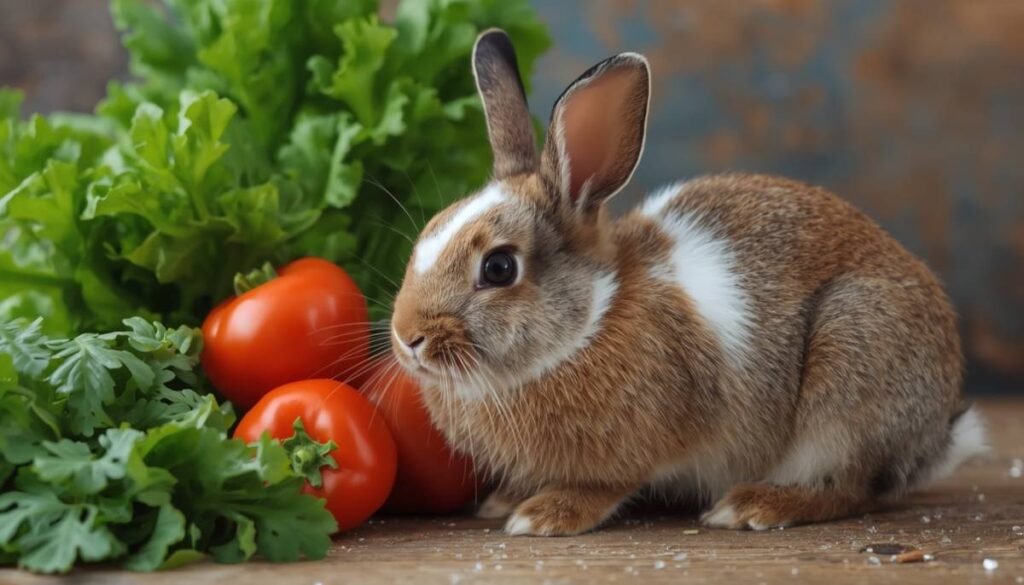
Fresh greens can be a healthy addition once a rabbit is old enough for them.
The important word is gradually.
A young rabbit that has never eaten vegetables should not suddenly receive a huge bowl of mixed greens.
When Can a Baby Rabbit Eat Greens?
Wait until the rabbit is properly established on solid foods and eating hay well.
Start with a small amount of one suitable green. Watch the rabbit’s droppings and appetite before introducing another food.
If everything remains normal, the variety can slowly increase.
Good Greens to Try
Depending on the rabbit’s age and individual tolerance, suitable choices can include:
- Romaine lettuce
- Cilantro
- Parsley
- Basil
- Mint
- Arugula
- Endive
- Dandelion greens
- Bok choy
- Small amounts of kale
Wash fresh produce thoroughly and remove anything that looks spoiled.
What About Carrots?
Carrots are not a staple food for rabbits.
They contain more natural sugar than leafy greens, so they are better treated as an occasional addition rather than something to put in the rabbit’s bowl every day.
A baby rabbit doesn’t need carrots to grow properly.
Can Baby Rabbits Eat Fruit?
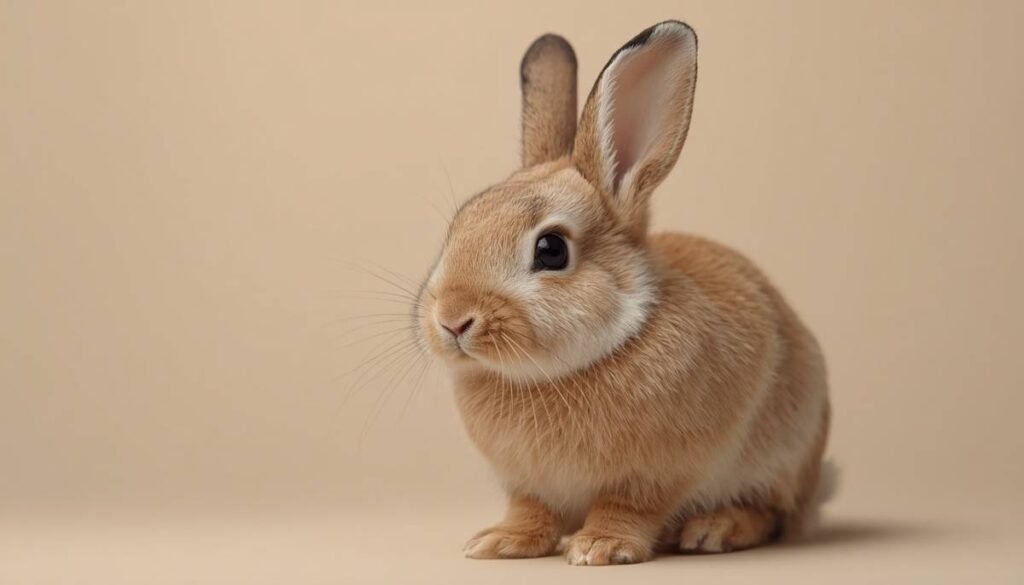
Fruit can be offered to an older young rabbit as an occasional treat, but it should never replace hay or other nutritious foods.
Apples
A small piece of apple can be given occasionally. Remove the seeds and core first.
Bananas
Banana is soft and appealing to rabbits, but it is quite sweet. A small piece is enough.
Grapes
Grapes can also be an occasional treat for rabbits. Don’t turn them into a daily snack simply because the rabbit loves them.
The same principle applies to most fruit: small amounts and not too often.
Can Baby Rabbits Eat Grass?
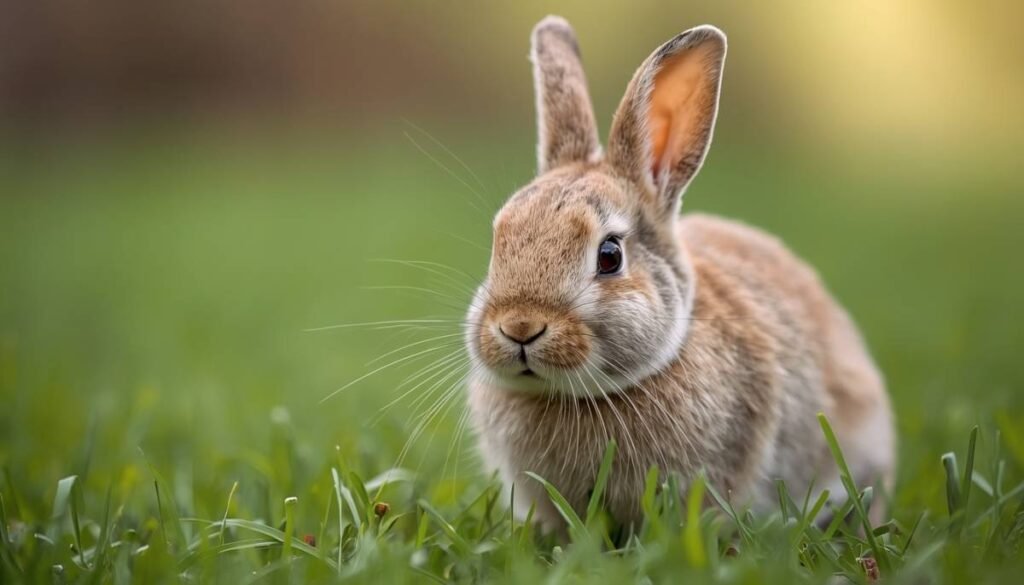
Fresh grass can be an excellent part of a rabbit’s diet when it is safe.
However, don’t simply grab grass from an unknown area.
Avoid grass that could have been treated with:
- Pesticides
- Weed killers
- Fertilizers
- Chemicals
- Contaminated water
Never feed grass clippings from a lawnmower. The way they are chopped and heated can make them unsuitable for rabbits.
If a rabbit has never eaten fresh grass before, introduce it gradually.
Can Baby Rabbits Eat Meat?
No.
Rabbits are herbivores. Meat, chicken, fish, and other animal-based foods don’t belong in a rabbit’s normal diet.
There is no nutritional reason to give a baby rabbit meat.
Stick with rabbit-appropriate plant foods and a diet centered around fiber.
Can Baby Rabbits Drink Water?
Yes. Once a baby rabbit is eating solid food, fresh drinking water should always be available.
A sturdy ceramic bowl can work well because it is difficult to knock over. Some rabbits also use water bottles successfully.
How Often Should You Change the Water?
Provide clean water every day and check it regularly.
If a bowl becomes dirty with hay, bedding, food, or droppings, clean it rather than allowing the rabbit to drink contaminated water.
A sudden change in how much your rabbit drinks can also be worth monitoring.
How Often Should You Feed a Baby Rabbit?
Baby rabbits don’t follow the same feeding routine as dogs or cats.
Very young kits receive milk from their mother. Once they begin eating solids, hay should be available for grazing rather than being restricted to one specific meal.
Pellets and fresh foods can be provided according to the rabbit’s age and nutritional needs.
The goal is not to keep filling the bowl whenever it looks empty. The goal is to create a consistent diet in which high-fiber foods remain central.
Baby Rabbit Survival: What to Do If You Find One Outside
Finding a tiny rabbit alone can be alarming.
Before picking it up, look at its condition and surroundings.
A Wild Baby Rabbit May Still Have a Mother
Mother rabbits often spend much of their time away from the nest. They return for feeding and then leave again.
So a baby sitting quietly by itself does not automatically need rescuing.
If the baby is warm, alert, uninjured, and appears healthy, leaving it where it was found can sometimes be safer than attempting to raise it yourself.
Signs a Wild Baby Rabbit May Need Help
Professional wildlife help is more appropriate if the rabbit is:
- Injured
- Cold and weak
- Covered with insects
- Bleeding
- Clearly attacked by a cat or dog
- Found beside a dead adult rabbit
- In an unsafe or destroyed nest
- Extremely lethargic
- Having difficulty breathing
Wild baby rabbits can be surprisingly difficult to raise successfully, so professional wildlife rehabilitation is preferable to experimenting with feeding at home.
What to Feed an Orphaned Baby Rabbit
This is one of the situations where guessing can cause serious problems.
If a baby rabbit is genuinely orphaned, its nutritional requirements depend on its age and condition.
Don’t Give Cow’s Milk
Regular cow’s milk is not an appropriate substitute for rabbit mother’s milk.
Do not assume that a kitten milk product, infant formula, or homemade mixture is automatically safe either.
A genuinely orphaned kit should be assessed by someone experienced with rabbits or wildlife before you begin a hand-feeding routine.
Hand-Feeding Can Be Dangerous
Very young rabbits can aspirate liquid if they are fed incorrectly. Too much food can also create serious digestive problems.
If professional help is available, use it rather than trying to calculate a homemade feeding schedule from a general internet guide.
Foods Baby Rabbits Should Avoid
Some foods are especially unsuitable for rabbits.
Avoid giving baby rabbits:
- Chocolate
- Candy
- Cookies
- Chips
- Sugary cereals
- Bread
- Pasta
- Nuts
- Seeds
- Corn-heavy snacks
- Processed human foods
- Large amounts of fruit
- Unknown garden plants
- Lawn clippings
- Meat or animal-based foods
Don’t let a rabbit’s enthusiasm for a food determine whether it is healthy. Rabbits can happily eat things that should remain occasional treats or be avoided entirely.
Signs Your Baby Rabbit May Be Unwell
Baby rabbits can become seriously ill faster than many owners expect.
Pay attention to changes in:
- Appetite
- Droppings
- Energy
- Body weight
- Water intake
- Posture
- Breathing
- Belly size
- Normal movement
A Rabbit That Stops Eating Needs Attention
One of the biggest warning signs is a rabbit that suddenly refuses food.
If a baby rabbit stops eating hay, pellets, or other normal foods, don’t simply wait several days to see whether it improves.
A swollen abdomen, very few droppings, diarrhea, severe weakness, or obvious pain makes the situation even more urgent.
How to Monitor a Baby Rabbit’s Health at Home
You don’t need to constantly disturb a young rabbit to keep track of its health.
Instead, establish a simple daily routine.
Check the Appetite
Notice whether the rabbit is eating normally and showing interest in hay.
Look at the Droppings
Healthy rabbit droppings should have a familiar dry, round appearance.
A sudden change in size, amount, or consistency can indicate that something isn’t right.
Watch the Energy Level
A healthy youngster should have periods of curiosity, movement, grooming, and exploration.
A rabbit that becomes unusually quiet, weak, or withdrawn deserves closer attention.
Keep Track of Weight
Regular weighing can be particularly useful for young rabbits because growth should be monitored rather than guessed by appearance alone.
A kitchen scale can work for a tiny rabbit if used safely and carefully.
Transitioning From a Baby Diet to an Adult Diet
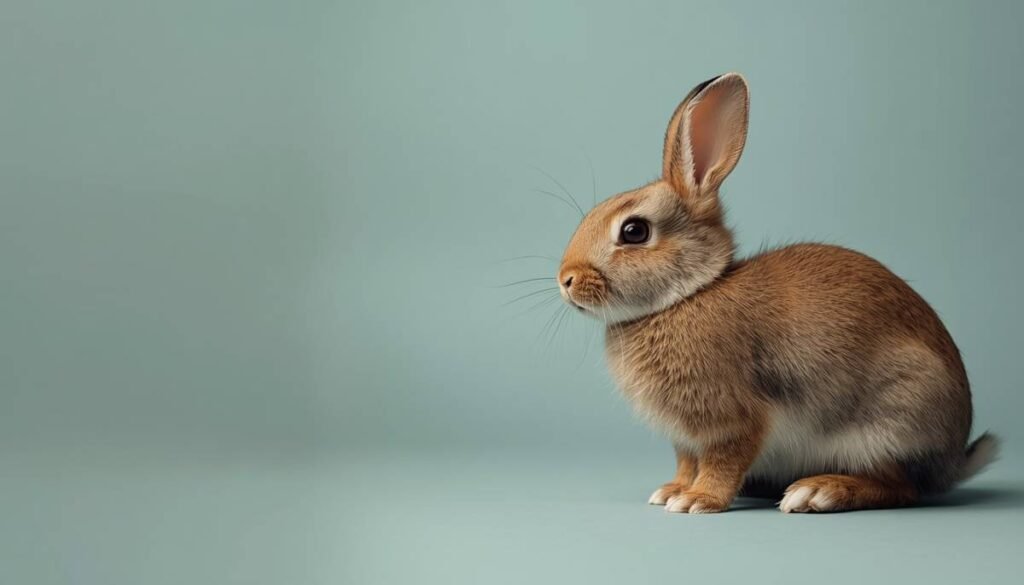
A rabbit’s diet should evolve gradually as it grows.
The richer foods suitable for growth shouldn’t simply continue forever in unlimited quantities.
Over time, the diet becomes increasingly centered around grass or hay, with suitable greens and controlled portions of pellets.
Don’t Change Everything at Once
If you’re switching hay brands, pellets, or vegetables, make changes one at a time when possible.
This makes it much easier to identify the cause if your rabbit develops soft droppings or stops eating normally.
Introduce New Foods Slowly
Even a food that is perfectly safe for rabbits can cause digestive trouble if a rabbit suddenly eats too much of it.
Start with a small amount and observe how the rabbit responds.
A Simple Daily Routine for a Young Rabbit

A practical routine can make baby rabbit care much easier.
Morning: Check water, provide fresh hay, and give the appropriate pellet portion.
During the day: Allow access to hay and monitor normal eating, movement, and droppings.
Fresh-food time: If the rabbit is old enough, provide a small amount of suitable greens.
Evening: Refresh water and hay, remove spoiled food, and check the rabbit’s general behavior.
This doesn’t need to become complicated. Consistency is more useful than constantly changing the menu.
Baby Rabbit Care Mistakes to Avoid
Many feeding problems happen because owners are trying to be helpful.
Giving Too Many Treats
A rabbit that begs for banana doesn’t need banana every day.
Treats should remain treats.
Switching Food Suddenly
Even if the new food is high quality, an abrupt change can upset digestion.
Feeding Too Many Pellets
Pellets are concentrated food. Giving unlimited amounts simply because a rabbit enjoys them can make it harder to maintain a balanced diet.
Removing a Wild Baby Too Quickly
A small wild rabbit sitting alone may still have a mother nearby.
Always consider whether intervention is actually necessary.
Ignoring Changes in Droppings
Rabbit poop is one of the easiest ways to notice a digestive change. Don’t ignore sudden differences.
FAQs About Baby Rabbit Care, Feeding, and Survival
What is the best food for a baby rabbit?
A newborn kit should normally receive its mother’s milk. Once it begins eating solid foods, good-quality hay becomes a major part of its diet, with age-appropriate pellets and carefully introduced fresh foods.
How often should I feed a baby rabbit?
Very young kits nurse from their mother. Once they are eating solids, hay should generally remain available throughout the day, while pellets and fresh foods should be offered according to the rabbit’s age and nutritional needs.
Can baby rabbits drink water?
Yes. Once they are eating solid food, baby rabbits should have access to fresh, clean drinking water at all times.
Can baby rabbits eat carrots?
Older young rabbits can have small amounts of carrot as a treat, but carrots should not replace hay or leafy greens.
Can baby rabbits eat bananas?
A properly weaned young rabbit can have a tiny piece of banana occasionally. Because banana is sweet, it should remain an occasional treat.
Can baby rabbits eat lettuce?
Some leafy lettuces can be introduced gradually once a young rabbit is established on solid foods. Start with a small amount and monitor digestion.
Can baby rabbits eat grass?
Yes, fresh untreated grass can be suitable. Introduce it gradually and never feed lawnmower clippings.
Can baby rabbits eat pellets?
Yes, appropriate young-rabbit pellets can be part of a growing rabbit’s diet. The quantity should match the rabbit’s age, size, and nutritional needs.
Helping Your Baby Rabbit Grow Well
Good baby rabbit care isn’t about offering a huge variety of foods. It is about giving the rabbit the right food for its stage of growth and keeping its routine steady.
For a domestic rabbit, let the mother handle nursing when possible, introduce solid foods gradually, keep hay available once the rabbit is ready, provide clean water, and avoid excessive treats.
If you find a wild baby rabbit, pause before feeding it. A healthy-looking kit may still be receiving care from its mother. When there is a genuine emergency, getting help from an experienced wildlife professional is safer than trying to raise the baby yourself.
The simplest approach is often the healthiest one: high-fiber foods, gradual changes, clean water, careful observation, and quick action when something looks wrong.

Mason Grey is a long-time rabbit advocate and bunny behavioral expert. With years of experience in rabbit rescue and care, Mason provides deep insights into diet, habitat setup, and understanding the complex language of bunnies. He believes every rabbit deserves a “hoppy” and healthy life.